What Does a Sterile Processing Tech Do? (Duties, Salary, & FAQs)
Want to work in healthcare but not with patients? This blog will cover what you need to know about becoming a sterile processing technician including salary, training, and more!

We follow strict quality and ethics policies to make sure our content is honest, accurate, and helpful. Learn more about our editorial guidelines.
A sterile processing technician (SPT) is a healthcare professional who cleans, sterilizes, and prepares surgical instruments to prevent infection. They work in hospitals and clinics behind the scenes to ensure patient safety and play a vital role in healthcare. Most roles require a high school diploma and optional certification.
In this blog, we’ll cover what a sterile processing technician does, their duties, average salary, the training you need to become one, and more!
Sterile processing technician quick facts
- Median salary: $45,280
- Education: High school diploma + training
- Certification: Optional (CRCST)
- Work setting: Hospitals, clinics
What is a sterile processing technician, and what do they do?
The role of sterile processing technicians is to clean, sterilize, and set up all the surgical tools and medical devices used in procedures.
SPTs play an essential role in the healthcare setting, ensuring each surgical and medical instrument is sanitized and ready for safe use. These professionals significantly contribute to patient safety and increase healthcare system efficiency. Their responsibilities span across the preparation of surgical case carts, monitoring sterilization equipment, and maintaining precise records.
SPTs form the first layer of defense against infectious agents through their thorough cleaning, sterilization, and assembly of surgical instruments. This includes:
- Handling a wide range of instruments
- Biological waste management and proper disposal
- Keeping up with advancements in medical technology
What is biowaste?
Biowaste includes human body fluids like blood and urine to tissues or organs removed during surgical procedures or autopsies. It also includes "sharps" - items that can cause cuts or punctures like needles, scalpels, and even broken glass. Also, within the SPT's scope of work is the management of laboratory waste, such as cultures, specimens of microorganisms. In a veterinary context, an SPT may also be tasked with handling animal waste - anything from contaminated animal remains to bedding material used by animals infected with specific diseases.
It's a role not suited for everyone - it requires a strong stomach and a commitment to perfection. However, for those who are passionate about their work and find fulfillment in a job well done, it can be a rewarding career path.
Read more: Should Moms Go Back to School? How Education Fits With Parenting
Typical duties of a sterile processing technician
The typical duties of a sterile processing technician include
- Decontamination: Cleaning and disinfecting surgical tools and equipment using washers, ultrasonic cleaners, and special detergents
- Inspection and assembly: Checking instruments to make sure they’re clean and working properly, then putting trays together based on checklists
- Packaging: Wrapping and sealing instruments and adding indicator strips so they stay sterile until they’re used
- Sterilization: Running equipment like autoclaves or low-temp systems (like Sterrad) and making sure everything is working correctly
- Storage and distribution: Keeping track of inventory, stocking sterile areas, and getting equipment where it needs to go
- Documentation and quality control: Logging sterilization cycles, test results, and inventory to stay compliant with standards (like OSHA or the Joint Commission)
These duties are often the same day-to-day but can vary slightly depending on where you work. For example, in a hospital setting where more surgeries and procedures are regularly performed, you may be more focused on decontamination and set up versus a clinic.
How do you get a job as a sterile processing technician?
To get a job as a sterile processing technician, you’ll need to meet education, training, and certification requirements.
5 steps to becoming a sterile processing technician
1. Obtain your High School Diploma or GED (General Education Degree): A HS diploma or GED is the minimum education requirement for almost every healthcare job, including SPTs.
2. Complete a sterile processing technician program: Graduates of a sterile processing technician program like the one Penn Foster offers learn topics like duties of an SPT, fundamental practices and procedures for aseptic technique, HIPAA privacy regulations, and more, and are eligible to sit for the Certified Registered Central Service Technician (CRCST) Certification exam offered by the Healthcare Sterile Processing Association (HSPA).
3. Work as an extern: An externship provides a valuable opportunity to gain practical, hands-on experience in the role of an SPT. Some certification programs require an externship, but to begin working in sterile processing, an externship isn’t required.
4. Earn a certification: It isn’t always required, but if you’re a Certified Registered Central Service Technician (CRCST), you become more desirable to employers. To get certified, you need to pass an exam given by either:
- Healthcare Sterile Processing Association (HSPA)
- Certification Board for Sterile Processing and Distribution (CBSPD)
5. Go out and get your first SPT job: Search for entry-level sterile processing technician jobs. Many healthcare facilities employ SPTs, including:
- Hospitals (multiple departments use SPTs, like central processing, operating rooms, and other areas where sterile equipment is used)
- Outpatient care centers
- Dental offices and clinics
- Specialized surgery centers
- Medical and diagnostic laboratories
- Veterinary clinics and hospitals
- Medical equipment sales companies
- Education and training institutions
Read more: 6 Tips for Going Back to College or Career School as an Adult
How much money do SPTs make?
As with any job, your earnings are going to depend on where you live and work, how much experience and seniority you possess, and your specific employer. As of April 2026, the Bureau of Labor Statistics (BLS) reports that the median income for an SPT—which the BLS refers to as a “medical equipment preparer”—is $45,280 per year or $21.77 per hour.
What does a typical day for a sterile processing technician look like?
A typical day for a sterile processing technician can look something like this:
- They’ll usually kick things off by checking inventory to make sure there are enough clean, ready-to-use instruments for the day’s procedures.
- From there, they receive used tools from operating rooms and other departments, clean and decontaminate them, and get them ready for sterilization.
- Next, instruments are packaged into trays and run through sterilization using methods like steam, ethylene oxide (ETO), or low-temperature systems, depending on the equipment.
- Once everything is sterilized, each item is checked to make sure it’s clean and working properly, then organized into procedure-specific trays, labeled, and sent where it’s needed.
- Throughout the day, SPTs keep careful records of instruments and sterilization cycles—helping ensure everything stays safe, compliant, and ready for patient care.
Read more: Which Healthcare Certifications Pay the Most?
Is sterile processing clinical or non-clinical?
Yes, sterile processing could be considered a clinical job because of the type of work that they do. However, it’s not a job that interacts with patients in any real way.
Can sterile processing be a good career?
Sterile processing can be a good career for individuals who possess the qualities associated with successful SPTs. It is a stable job that offers routine and usually a consistent schedule.
Read more: 12 Healthcare and Medical Careers in Demand for 2023
What do you wear as an SPT?
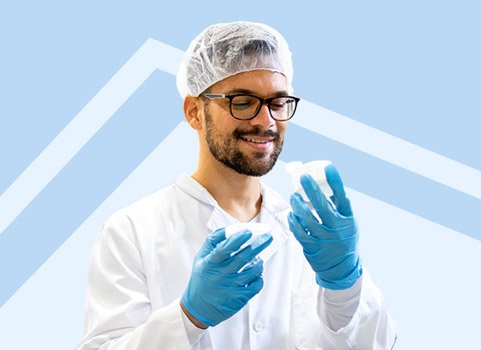
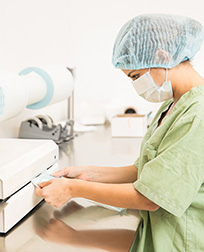
Scrubs are the recommended attire for sterile processing technicians. They also wear Personal Protective Equipment (PPE) to help minimize exposure to potential biohazards. A hair covering, gloves, gown, face mask, and even shoe covers are often worn on the job.
What kind of schedule does an SPT have?
Since hospitals operate 24/7, the need for clean tools is never ending. Your shift will be determined by your employer’s operating schedule, workload, and staffing needs–while others may require weekends or nights, some do not. Calling all night owls - working overnight as an SPT might be a good fit for you! Or, if you need a regular M-F 9-5 schedule due to other commitments (like family), working for a non-emergency facility might be a better fit. It’s important to be honest with yourself when deciding what type of work-life balance you’d like to maintain.
Is sterile processing a dangerous job?
There is the potential for exposure to pathogens, sharps, blades, and bio waste since you come into contact with all those things every day. Proper use of equipment and wearing PPE are precautions you can take to protect yourself.
Is a drug test required to get a job as an SPT?
Due to the proximity of controlled substances, patient data, and the immense amount of safety precautions hospitals must take, you are most likely required to undergo a background check and drug screening prior to beginning employment. You are also required to show proof of vaccination and may need a letter of health from a physician stating that you can physically handle the job.
Are there traveling sterile processing techs like traveling nurses?
If you have the flexibility to travel and desire to work in new locations, becoming a travel SPT might be a good fit. Travel techs work on a contract basis and are not employed by a hospital. Yet, they go where there is a need for SPTs but not enough local techs to meet the demand. Certification and multiple years of experience are required to become a traveling SPT, and the pay is often considerably higher.
Sterile processing tech vs other healthcare jobs
If you’re comparing healthcare jobs to decide which path might be best for you, here are some other entry-level jobs in the industry and the differences between them and the sterile processing tech role.
Sterile processing tech vs. surgical tech
Surgical tech salary: $62,480 per year/$30.04 per hour
Although both roles function within the confines of the operating room (OR), SPTs and surgical techs perform different tasks. Surgical techs play a supporting role during surgeries, while SPTs take charge of cleaning, sterilizing, and sorting surgical tools before and after operations. Their salary ranges are comparable.
Biggest differences:
- Surgical techs work inside the OR, while sterile processing techs prepare materials for the OR.
- Surgical techs often require more training, which can take up to 2 years.
- Surgical techs, as of April 2026, receive a higher salary than sterile processing technicians.
Sterile processing tech vs. medical assistant
Medical assistant salary: $44,200 per year/$21.25 per hour
Medical assistants carry out a mix of clinical and administrative duties to back up doctors, whereas the primary role of SPTs is to ensure the surgical instruments are clean and ready for use. Typically, the earning potential as an SPT tends to be higher compared to that of a medical assistant.
Biggest differences:
- Medical assistants work directly with patients, while sterile processing technicians never do.
- Both medical assistants and sterile processing technicians can work in hospitals and clinics, but sterile processing technicians rarely work in doctors’ offices.
- Sterile processing technicians may earn a slightly higher salary than medical assistants, depending on experience and other factors.
Sterile processing tech vs. medical coder
Medical coder salary: $50,250 per year/$24.16 per hour
Medical coders transcribe healthcare services into specific codes for invoicing and maintaining records. On the other hand, SPTs operate in the background within surgical settings, ensuring the sterility and readiness of surgical tools and equipment.
Biggest differences:
- Medical coders work in office settings, or remotely, while sterile processing techs work in clinical settings.
- Medical coders work with insurance and billing, while sterile processing techs work with physical instruments.
- Medical coders can make a slightly higher salary depending on credentials, experience, and other factors.
Read more: Your Medical Billing and Coding Salary Guide
Sterile processing tech vs. dental assistant
Dental assistant salary: $47,300 per year/$22.74 per hour
Dental Assistants support dentists during procedures and handle administrative duties such as arranging appointments and overseeing patient records. Unlike the role of an SPT, it involves direct interaction with patients.
Biggest differences:
- Dental assistants most often work exclusively in dentists’ offices, while sterile processing techs will work in clinical settings like hospitals.
- Sterile processing technicians work with equipment while dental assistants tend to handle more administrative and patient-related tasks.
Read more: What Does a Dental Assistant Do?
Sterile processing tech vs. pharmacy technician
Pharmacy technician salary: $43,460 per year/$20.90 per hour
While a Sterile Processing Technician focuses on sterilizing and preparing medical equipment for procedures, a Pharmacy Technician assists pharmacists in dispensing medication, managing patient records, and handling insurance claims.
Biggest differences:
- Pharmacy technicians work exclusively with medications, while sterile processing techs work with equipment and surgical tools.
- Pharmacy technicians often interact with patients, while sterile processing technicians rarely, if ever, work with patients.
- Sterile processing technicians work in a clinical setting while pharmacy technicians are more likely to work in a retail setting.
- Pharmacy technicians, as of April 2026, may earn a smaller salary than sterile processing technicians depending on where they work and what experience they have.
Want to Become a Sterile Processing Tech?
Do you need to go to school to be a sterile processing technician?
You don’t necessarily have to go to school to get a sterile processing job, but formal training and education may be required by some states and employers. Some jobs may be willing to provide on-the-job training for those who don’t have a background in sterile processing, but someone with education and credentials on their resume will likely stand out more when competing for open positions.
A sterile processing technician program can help you learn topics like fundamental practices and procedures for aseptic technique, HIPAA privacy regulations, and more, plus make you eligible to sit for the Certified Registered Central Service Technician (CRCST) Certification exam offered by the Healthcare Sterile Processing Association (HSPA).
Can you learn sterile processing online?
Yes, you can learn sterile processing in an online program! Through an online sterile processing course, you can learn the basic skills and knowledge for the job from home, generally at your own pace.
In Penn Foster’s Sterile Processing Technician Program, for example, you’ll build a strong foundation in:
- Medical terminology
- Anatomy
- Microbiology
- How infections spread (and how to prevent them)
- Cleaning, decontaminating, packaging, and sterilizing medical instruments
- How to inspect, track, and distribute equipment in a healthcare setting.
- Safety regulations
- Inventory management
- Quality control
- Communication skills
You’ll receive the practical training needed to work confidently in a sterile processing department!
You’ll also be prepared to sit for the Certified Registered Central Service Technician (CRCST) Certification exam offered by the Healthcare Sterile Processing Association (HSPA), the cost of which is covered in the program tuition.
Besides being able to learn and develop new skills around your schedule – no need to rearrange your hours at work or try to find a babysitter to attend in-person classes – online school can often be a more affordable path toward a new career. “With the growing economic crisis and the growing cost of going to community college and universities,” Chloe H., a current 2026 Penn Foster Sterile Processing student, said, “Penn Foster has made it exponentially easier to continue my education and to have a career that is more achievable than if I went to traditional college.”
And, even though you’re learning online, your education can translate to real outcomes. “I am now working at UC San Diego Health with amazing opportunities,” reported 2025 Sterile Processing grad, Dayanna M. “I am financially stable and the learning is endless!”
Take the first step toward a new career with Penn Foster
If sterile processing sounds like the perfect new career for you, you can take the first steps toward a new future whenever you’re ready. Penn Foster has no applications or enrollment deadlines, so you can get started online 24/7. Request more information or work with an Admissions Specialist by calling 1-800-275-4410.
Still not sure what kind of healthcare career is right for you? No worries – check out our career guides and articles about a variety of entry-level healthcare jobs in our Learner Resources blog.