Is Self-Paced Learning Hard? The Truth About Learning on Your Own Schedule

We follow strict quality and ethics policies to make sure our content is honest, accurate, and helpful. Learn more about our editorial guidelines.
H2: Key takeaways
- Self-paced learning offers flexibility, but it still has structure. Students can adjust their study pace around other responsibilities, though programs may set enrollment time limits, exam limits, or graduation requirements.
- Success can depend on building habits and asking for support. A routine, manageable goals, progress checks, and help from instructors can make independent study easier to manage.
- It can be a good fit for learners who want more control over how they study. Students can spend more time on challenging subjects and move ahead when they’re ready, while keeping in mind that self-paced learning still takes motivation and consistent effort.
Is self-paced learning hard? This is a question many students and even parents of students may ask before making a switch to a self-paced education program. It's important to always remember that "hard" is subjective, and what's hard for one person may not be for another person. There are many factors worth being aware of, however, to determine if you'll personally find self-paced learning difficult. This blog explores these factors so you can decide for yourself.
What does self-paced learning mean?
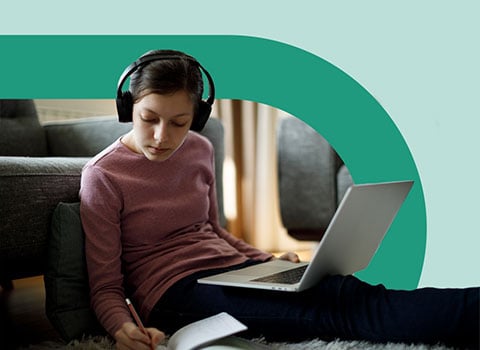
Self-paced learning means that students move through coursework at a pace that fits their needs and ability to learn instead of following one fixed class schedule. It's important to keep in mind, however, that any legitimate self-paced education program will be self-paced within reason, and does not necessarily mean whatever pace the student wants.
Unlike a brick-and-mortar school where students get there at a certain time and follow a set schedule, a self-paced program doesn't have a set schedule or time the work needs to be done. It can also be done from home, or the library, or anywhere there's an internet connection. This can make it a more convenient option for those who need flexibility when learning. There are typically no due dates, so learners can take the time they need to study before taking any exams. Program specific requirements do still apply, though, so it’s important to do your research or speak to someone to ensure you know what those are.
Read more: Comparing Accredited Online High School Diplomas: Which Will Employers Accept?
How can learners use a flexible pace?
There are a few ways learners can use and benefit from a self-paced program. These include the following.
Taking more time when life gets busy
If you're an adult with a family, or even just a healthy social life, you know that your days and weeks can fill up quickly. And sometimes, life likes to throw curveballs at you. That's why flexibility in your learning can make a huge difference. When you're able to adjust at a moment's notice without worrying about falling behind, you can manage everything you have to juggle with a bit less stress. In a recent Penn Foster survey, 43% of respondents mentioned benefits of self-paced learning, such as reduced pressure, greater access, or appreciation.* Self-paced programs don't provide you with unlimited time, but they do offer much more wiggle room than a program with a rigid schedule.
Read more: Think You're Too Busy (or Too Broke) to Go Back to School? Read This First.
Moving ahead when they’re ready
Programs with set schedules can be overwhelming sometimes. They can move at a faster pace than some students can keep up with. In a self-paced program, students can move on to the next lesson when they feel they're ready, not when their teacher or district decides. This can be very helpful for learners for have disabilities or suffer from test anxiety, or even just if they struggle with academics. They can spend more time on subjects they find difficult and less time on ones they are comfortable with.
It's important to remember that self-paced learning is still learning, which takes time. Whether you need to spend a lot of time on each lesson or not, they all must still be completed as intended.
What helps students succeed with self-paced learning?
Different things can work for different students. Here are some ways students can make self-paced learning work for them.
- Create a routine.
- Set manageable goals.
- Check progress.
- Ask for help when needed.
Once you find what works for you, you can study and take exams at the pace that is best for you to learn. In Penn Foster's programs, there are instructors available to help with any questions or struggles you have with your coursework, so even though it's self-paced, you're not on your own.
Read more: A Day In The Life Of An Online High School Student
What challenges should learners plan for?
Like most things in life, self-paced learning is not without its challenges. Since there is no set schedule or required amount of work to complete in a set amount of time, students must be self-motivated, and some may find this difficult. Some find it helpful to create their own schedule around their other responsibilities, so they ensure they are working on their studies during the week.
The support model also looks different in self-paced learning, which could be a big change. It does still exist, though! Students have access to instructors by phone, appointment, email, and chat.
Read more: 10 Jobs You Can Get with an Online Degree
Does self-paced learning mean there are no deadlines?
Not exactly. There is usually a maximum amount of time a student can be enrolled, so while there is much more flexibility in self-paced learning, your program still needs to be completed by a certain time. There may also be exam limits in place to help ensure you have sufficient time to study for your exams. Penn Foster's High School Program, for example, has a 15 exam limit per calendar week. There are also usually requirements to graduate if it is a legitimate education program, so simply taking the exams may not be enough.
Read more: How Kendall Earned Her Degree in 17 Months While Working Full Time
How can Penn Foster support self-paced learners?
Penn Foster has many programs, all of which are self-paced and online. If you're a teen wanting to switch to online high school, or an adult looking to return, we have a fully accredited high school diploma program. If you're looking for a new career, we have programs that can help prepare you for fields like healthcare, trades, and business. According to a recent Penn Foster survey, 67% of learners reported enrolling with us because they could complete coursework at their own pace.*
Our learners have access to instructors for academic support and learner success advocates for any general questions or concerns they have as they move through their program. Many of our career and college programs also help prepare students for certification exams, and some even cover the cost of the exam.
Madison Vogelsong, a Penn Foster veterinary technician student, shares what she was looking for in a vet tech program: "I needed something that fits my life, not something that would completely disrupt it. I was already working, gaining experience, and trying to build a future for myself, so flexibility was really important."
Read more: 78K Learners Completed Penn Foster Programs Last Year. Here's Where They Are Now
Is self-paced learning a good fit for you?
If you want to get an education but need flexibility as you do it, self-paced learning can be for you. It can also be a good fit if you prefer to study independently. If you struggle with social or even test anxiety, self-paced, online learning can be the perfect solution for you.
If you think this model will work for you, check out Penn Foster's programs and request information to learn more about how it works. You can also speak to an admissions specialist by calling 1-800-275-4410 to get your questions answered.
*Data sourced from Penn Foster's 2026 Self-paced Exploratory Survey Report.